
01
Coordinate with the property
Siding, brick, stone, roofing, windows, railings, concrete, and landscaping provide the palette. The structure can blend quietly or create deliberate contrast.
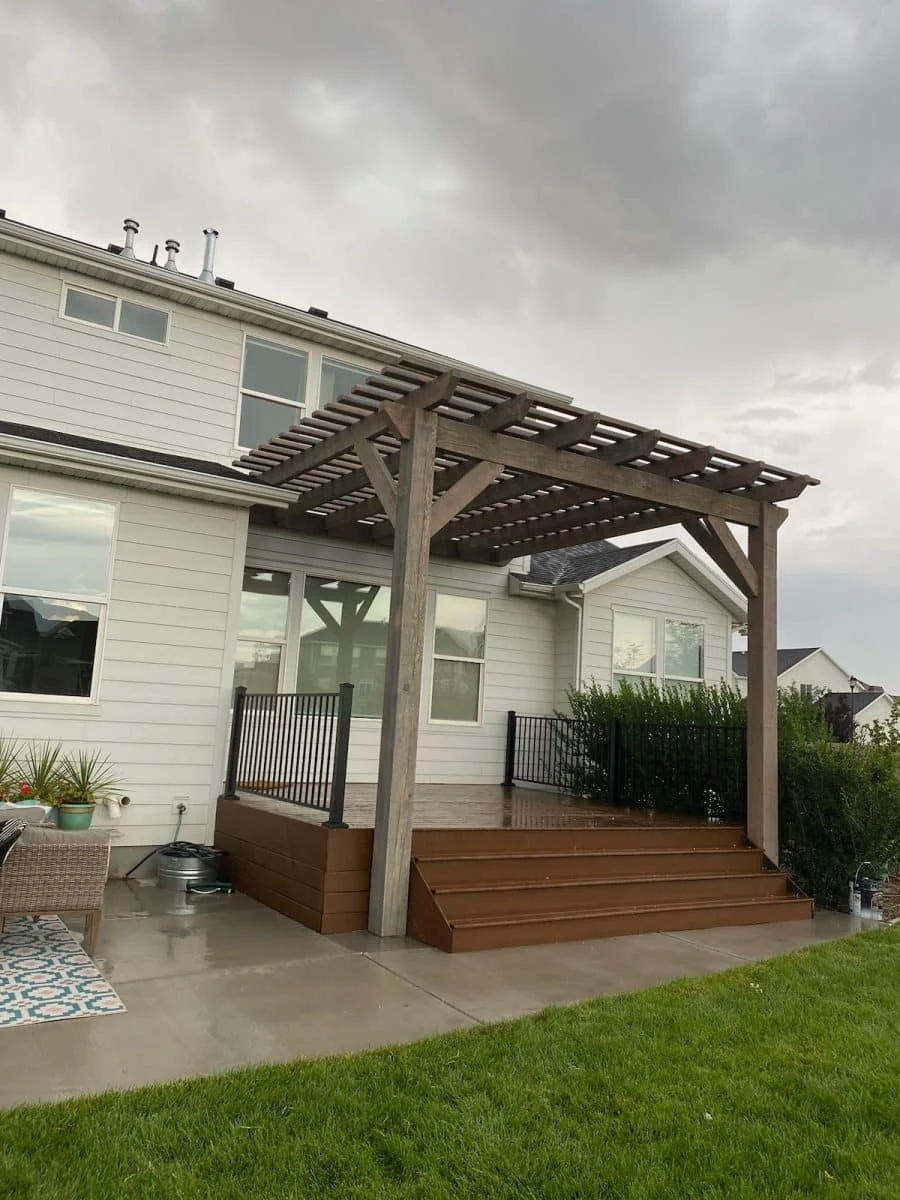
Protect the timber and fit the property
Choose stain and finish direction by looking at timber species, sun exposure, surrounding materials, upkeep, and the architecture of the property.
Designed around the site
Species, grade, grain, preparation, and existing color affect how a finish reads. A small sample is more useful than choosing from a screen alone.
Talk through your projectColor directions
These are popular starting directions, not a closed catalog. Custom stain and paint colors can be discussed to coordinate with the home, roofing, masonry, metalwork, and landscape.
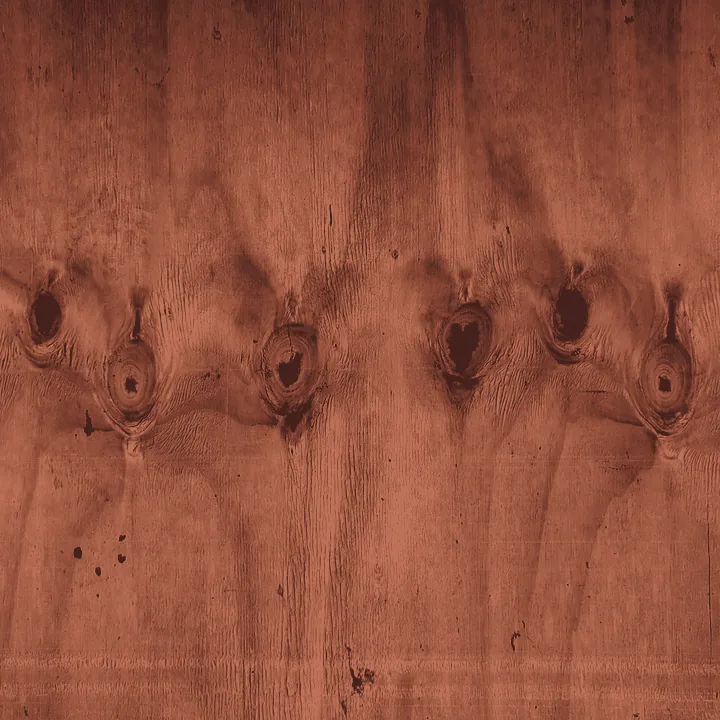
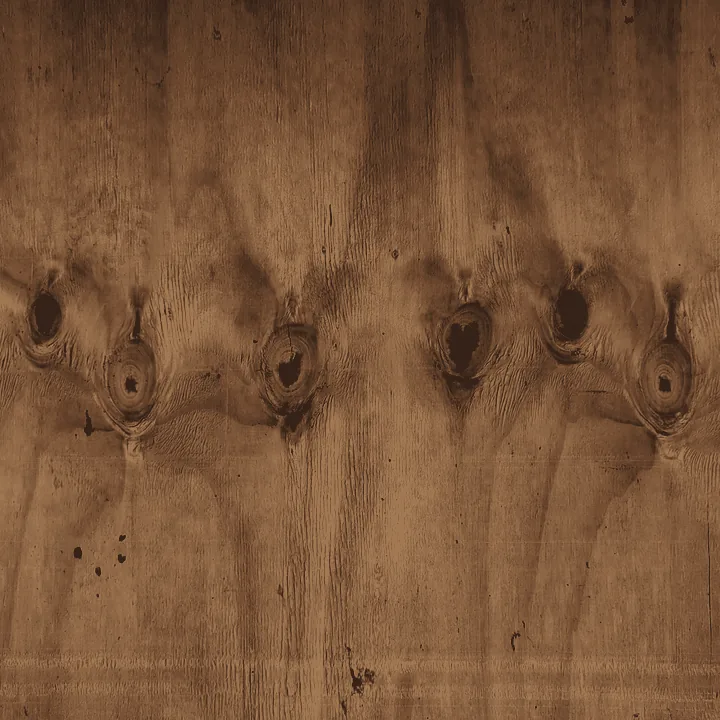
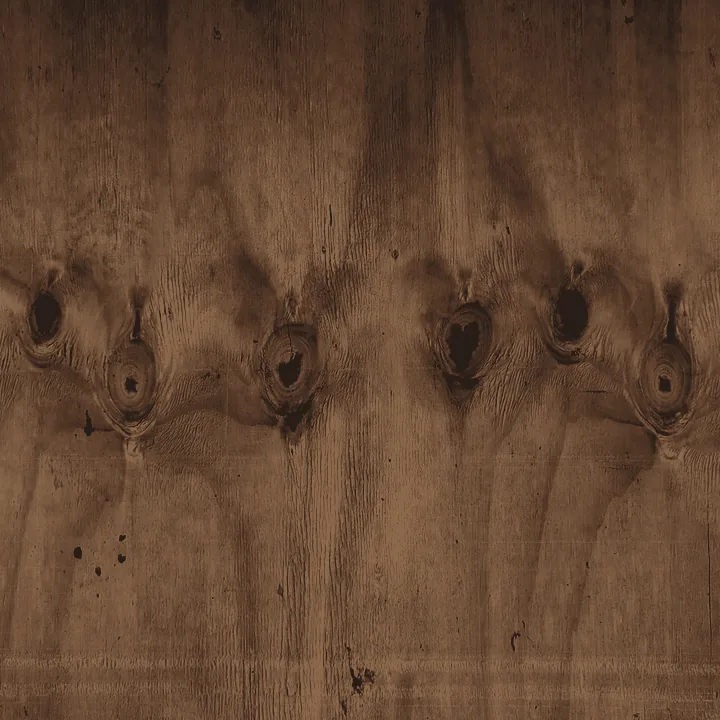
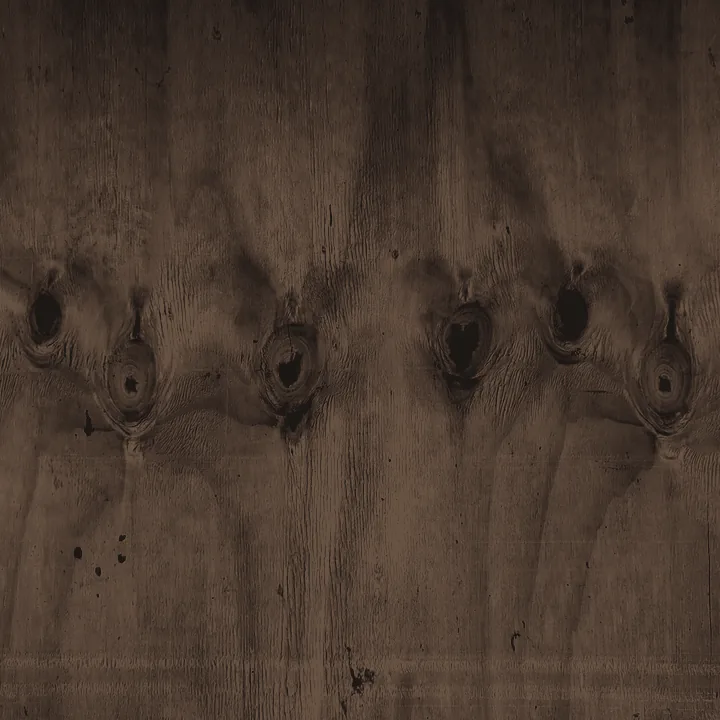
Stain remains translucent enough for grain and natural timber variation to influence the result. Paint is opaque and reads more like an architectural surface color.
Grain-visible directions from light natural tones through rich browns, red-browns, near-black, and weathered gray.
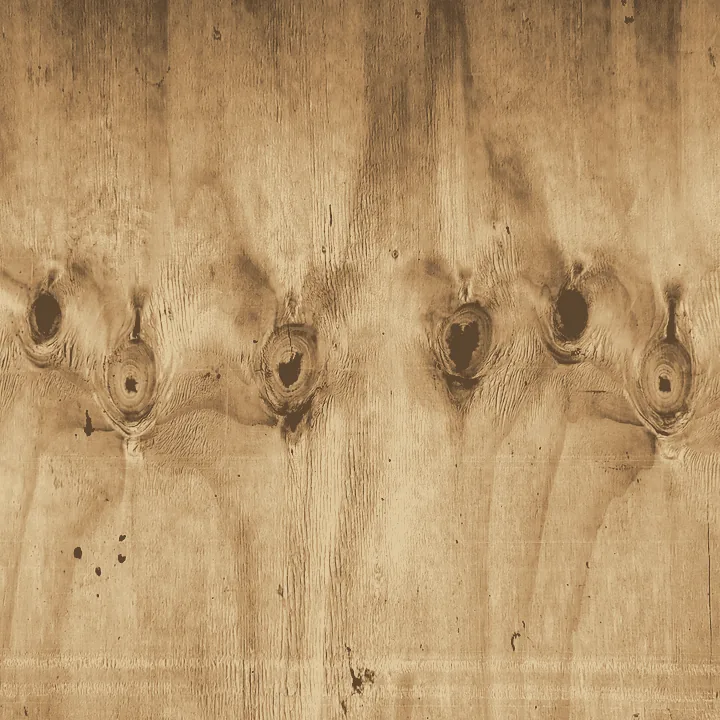
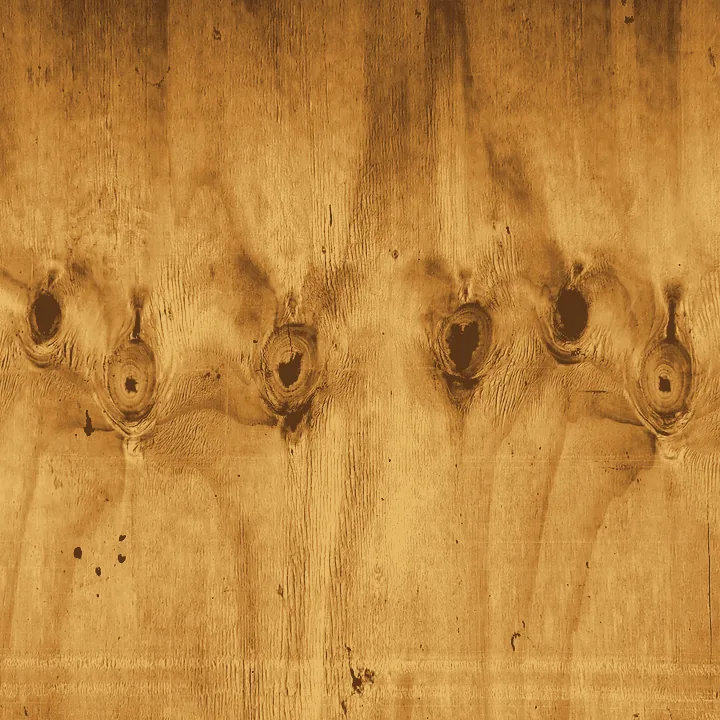
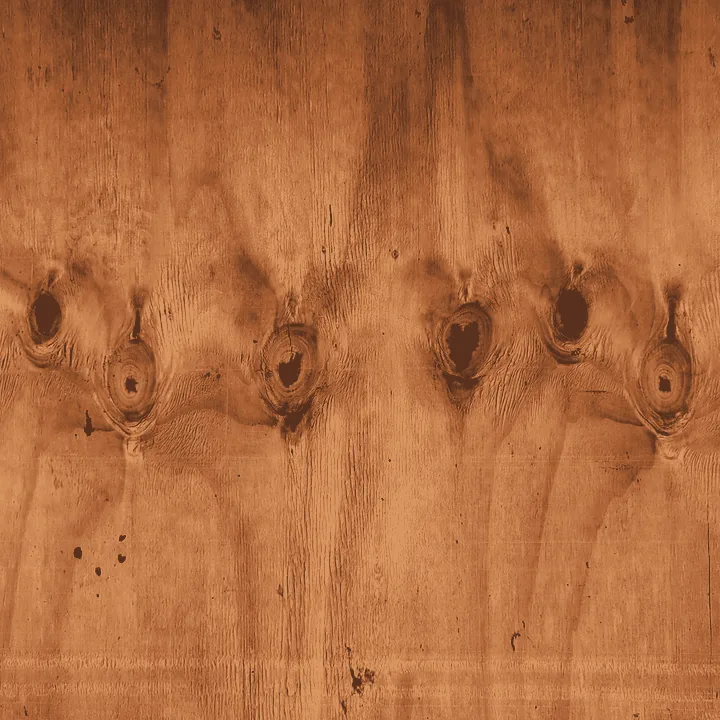
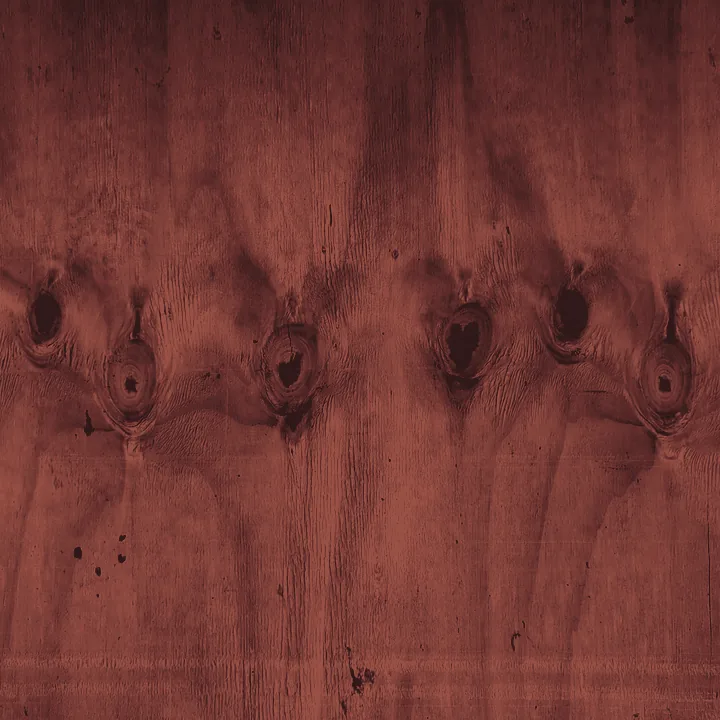
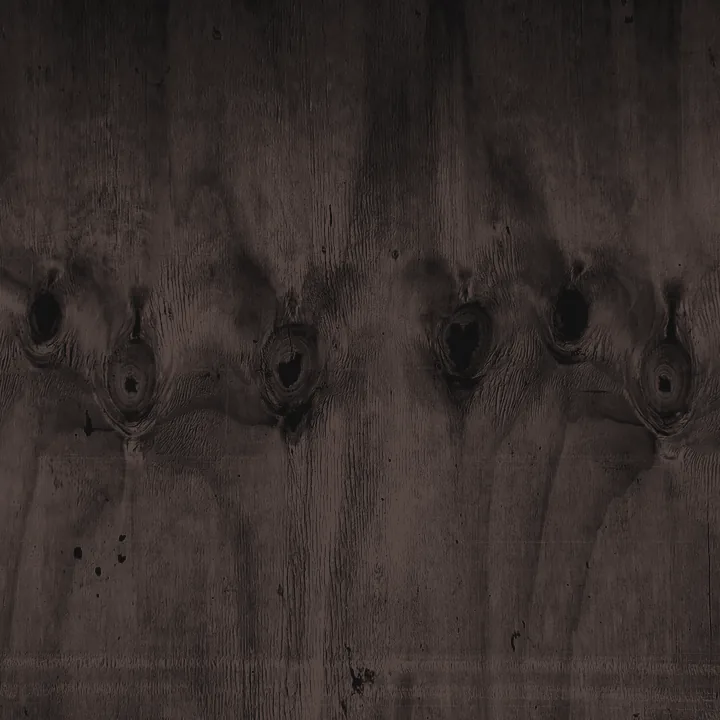
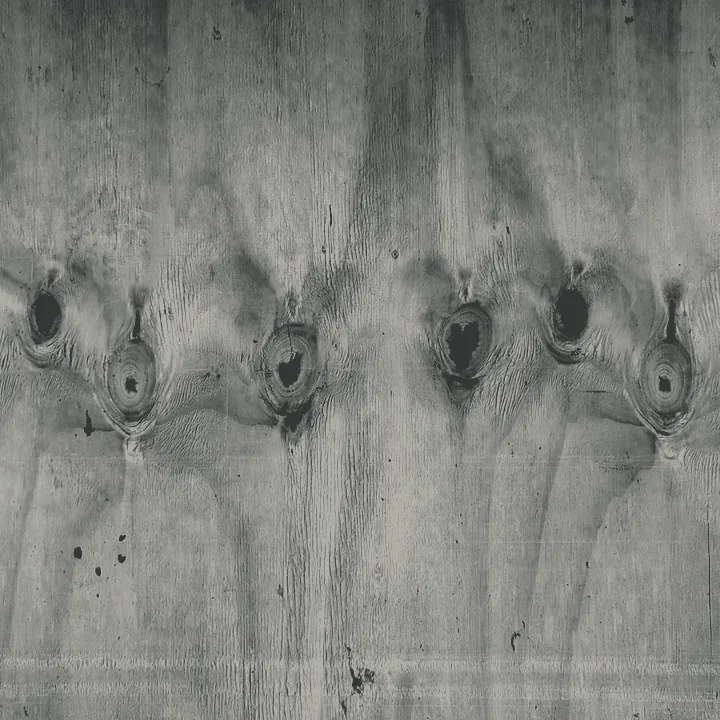
Popular opaque exterior directions built around adaptable neutrals, dark accents, and one restrained natural color.
Siding, brick, stone, roofing, windows, railings, concrete, and landscaping provide the palette. The structure can blend quietly or create deliberate contrast.
Sun and moisture change exterior finishes over time. Exposure, product requirements, surface preparation, and maintenance expectations should be understood before a color is approved.
Available stains, sealers, primers, and opaque finishes vary by timber and project. Final selections are confirmed against current products and installation conditions.
A clear path forward
We review dimensions, exposure, access, use, constraints, and the look you want.
Structure, materials, finish, responsibilities, approvals, and pricing are clarified.
The approved project moves through preparation, installation, cleanup, and review.
Questions before you build
These are starting points. Site conditions and project documents control the final answer.
We can coordinate the direction, but exact matching depends on material, product, age, lighting, and the finish system. Physical samples should be reviewed.
Intervals vary with product, preparation, exposure, weather, color, and appearance expectations. Regular inspection is more reliable than a universal calendar.
Start with the site, the shade, and the way you want to use it.